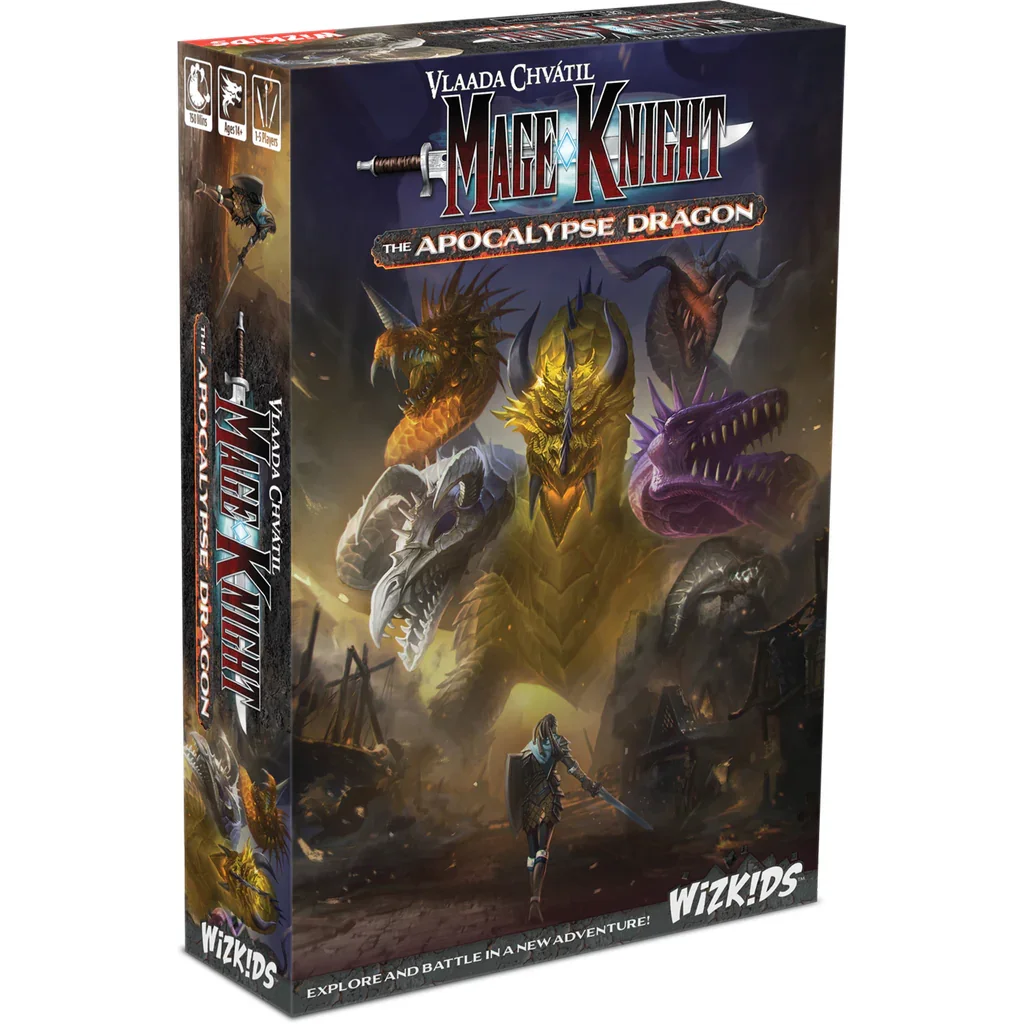
Mage Knight
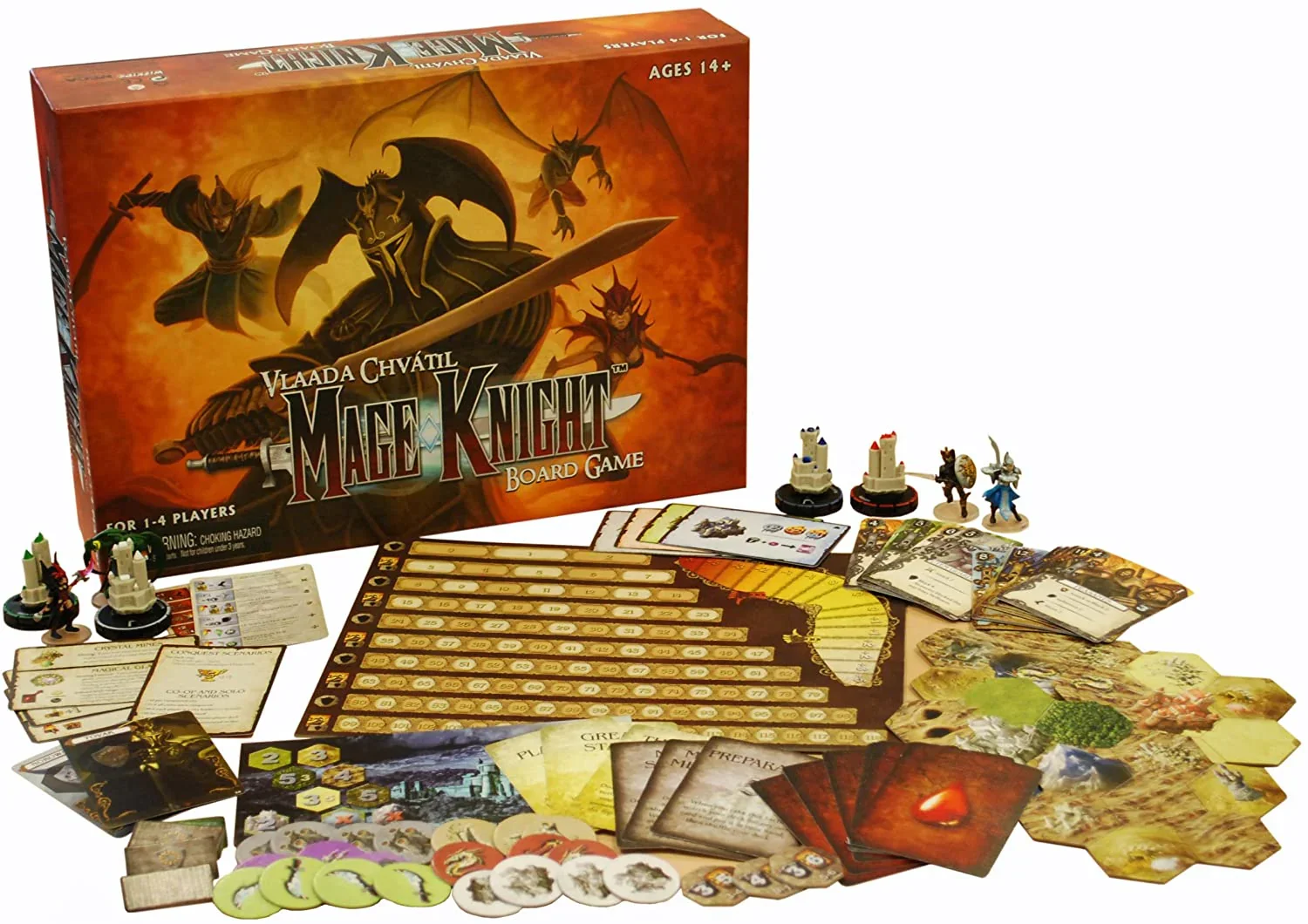
Mage Knigt core box - click the image for the website.
This is a game that traveled the world with me.
I got it as one of my first board games purchase, and to date, I have only played it with another person twice. Most of my plays are solo.
The game feels like a huge puzzle where you are trying to optimize every action by playing cards that will allow you to move, fight, bribe and recruit allies. It is simple on the surface, but the volume of options can overwhelm you.
It does have a story behind it, but it is not too much in-deep. The narrative is simple: You are a hero from another world, which came to conquest, by means of force if necessary. With that, you will start playing and the game mechanics will point you to an emergent story that you must your own imagination to craft. This makes a story be “optional” and up to your own discretion.
I particularly dont do journal for this game, I sometimes make a story connecting the dots in my mind, but I play it more for its mechanics and puzzle aspect than for a story.
Gameplay wise, it is a single session and done type of game, it can take from 3 hours up to 6 hours to finish, depending on what scenario you play and how much you want to think on each decision you have.
The scenarios are not connected in any way, so you can freely choose which one you will pick, changing your goals and final confrontation.
The game has 3 expansions, and a 4th is planned for this year.
Expansions
Lost legion: it adds more scenarios, more enemies, a new character and a new final boss Volkare, which roams around raising his army for an epic final confrontation with you.
Krang: just a new hero, I particularly dont own it, so I cant give my opinion.
Shades of Tezla: It adds 2 factions, Elementalist Faction (elementals) and the Dark Crusaders (undead). It also adds a new Hero, Braevalar.
All of this is bundled in the new “ultimate edition” of the game:
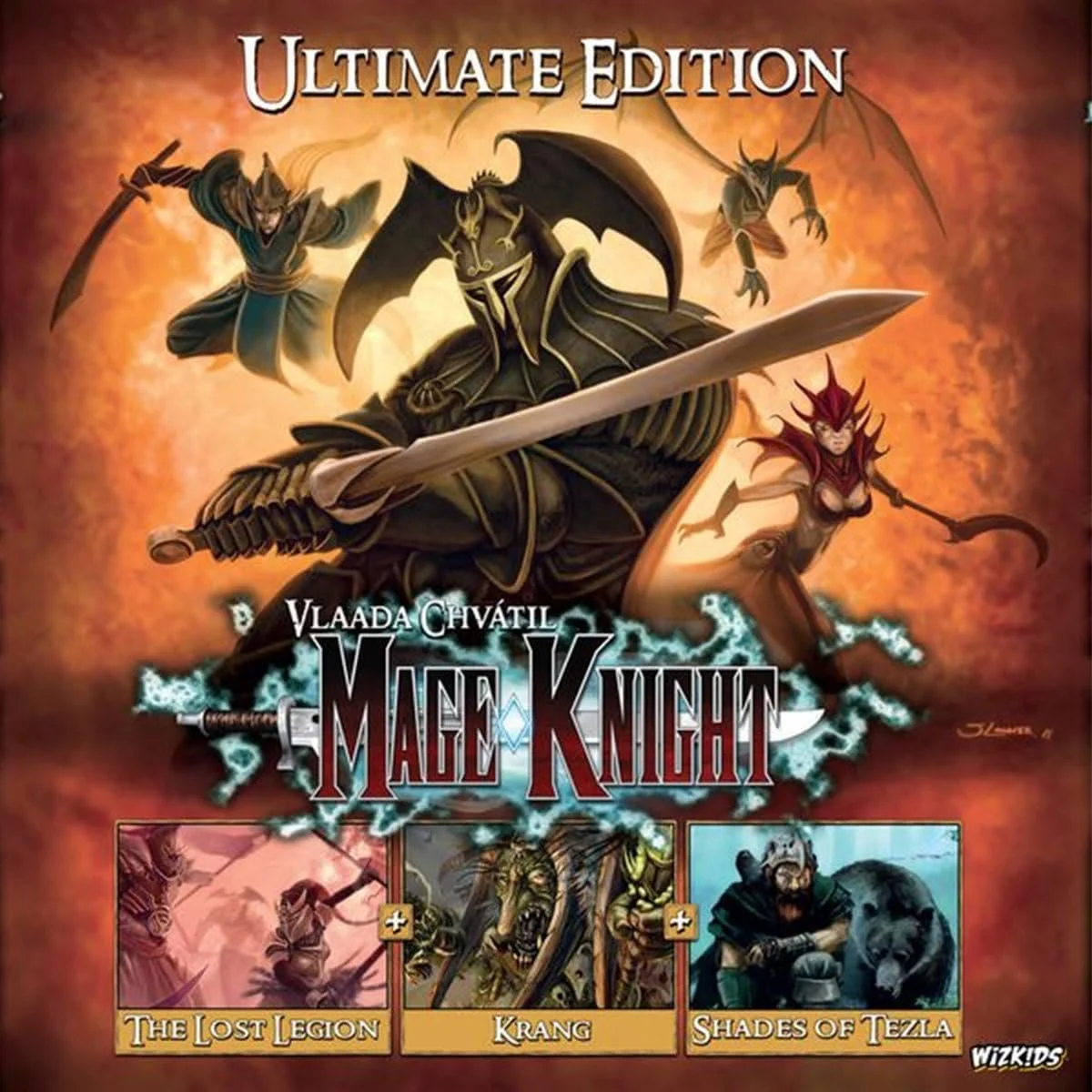
This edition solves some problems we had with both Lost Legion and Shades of Tezla old prints: Print Quality.
The card backs and tokens were in wrong colors, so you could easily find out from what expansion the next enemy would be.
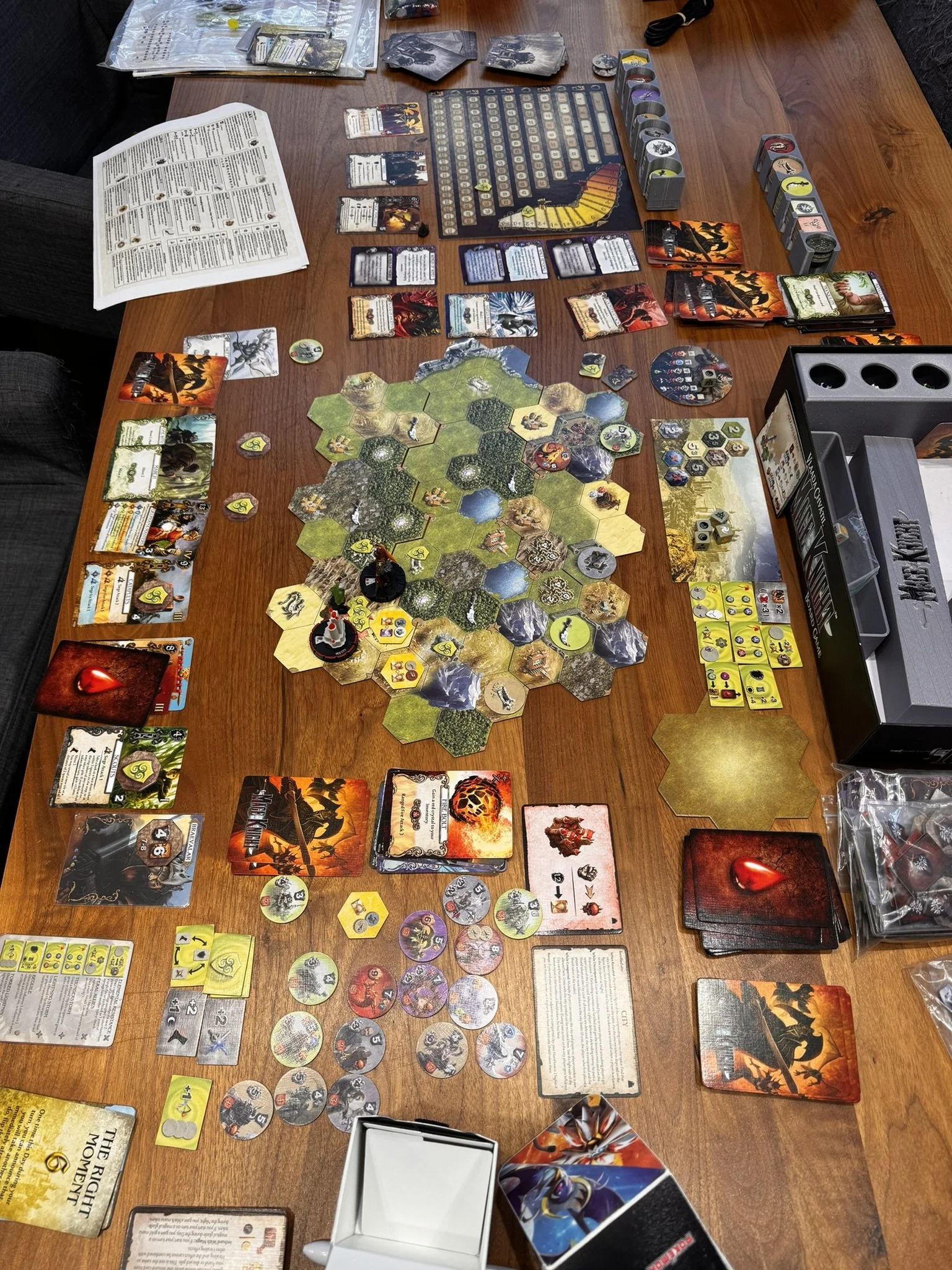
This is me playing shades of tezla.
With that said, lets jump in the good and bad stuff.
The Good
Replay value is very high, even with few heroes, there are enough cards and builds and situations that not a single game will be like the other.
You get a feeling of progression while your character becomes more and more powerful and the impact on the board is clearly felt.
The satisfaction of solving puzzles along the way is good. The game is masterfully crafted by Vlada in a way that it rewards your effort for thinking about how to solve a situation, there are always more than one way to approach each decision.
Longevity: the game is a classic for a long time. It really is very tight in its mechanics, and the community has more modules like quests, npcs, etc., that you can incorporate in the game. Because it was released in 2011, many new things were made for the game (including cut out content like different day/night cycles planned by Vlaada).
The Bad
Production quality is not always good, even in the ultimate edition, some reports of poor printing is not uncommon. (My shades of Tezla tokens had wrong colors, and the miniature came broken for example)
It demands a lot of space on your table, you may need to invest in some gadgets and DIY solutions to pack it together in a way to fit your playing space.